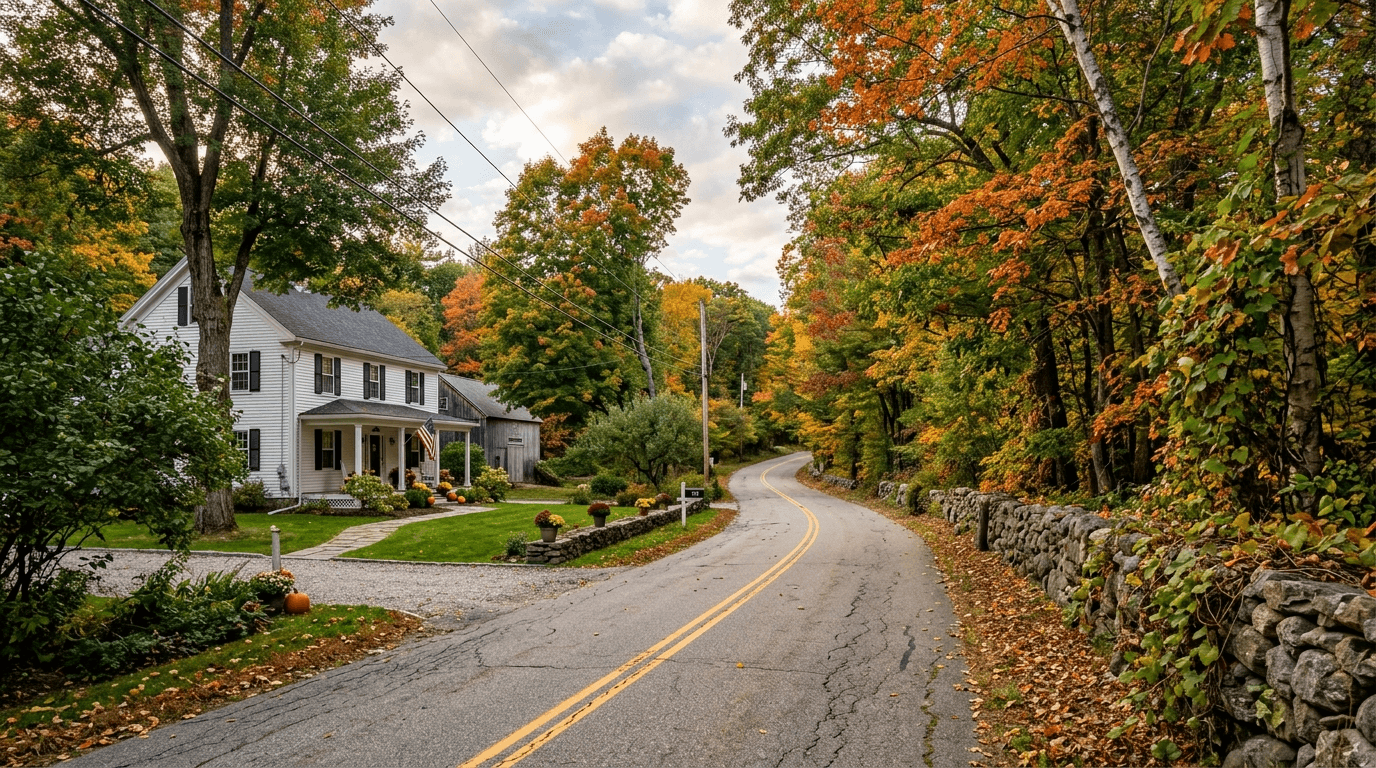
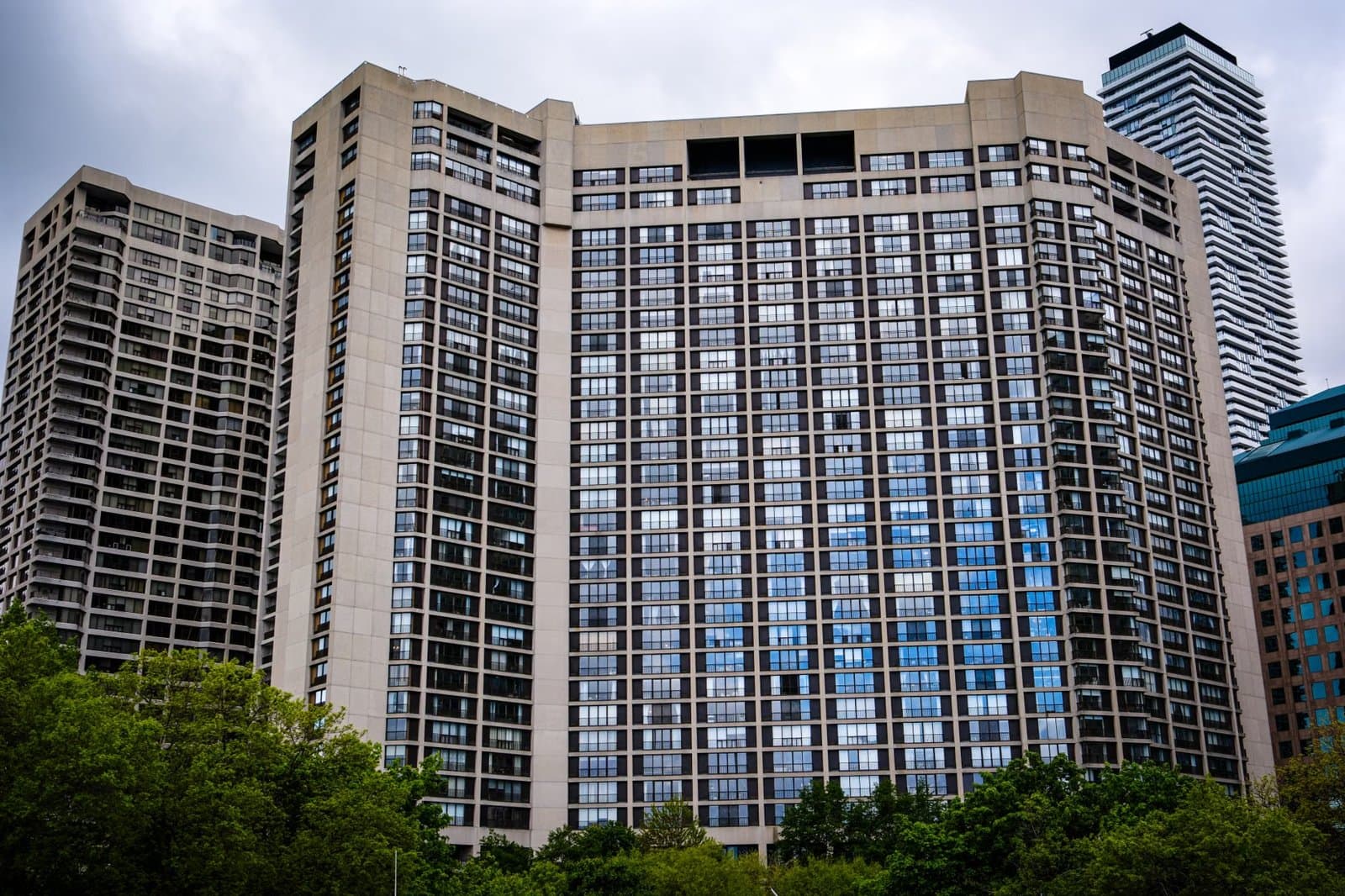
I'm Amanda Allen Nurse, a Concord, MA real estate agent with Gibson Sotheby's, guiding move-up families and home sellers across MetroWest from first search to closing. Serving Concord, Carlisle, Lexington, Newton, Wellesley, Weston, Somerville, Belmont, Cambridge, Bedford, Lincoln, Arlington and Sudbury, MA.
Key Takeaways
•The Core Dilemma: Buyers often default to Concord for its historic charm and walkable center, but the better fit depends on which costs and conveniences you value most over time. Both towns share access to the highly regarded Concord-Carlisle school district.
•The Market Reality: In April 2026, Boston's median listing price reached $832,500, setting the stage for May 2026 buyers and pushing high-earning households west in search of space, schools, and better value alignment.
•The Bottom Line: If you want a high Walkability Score and a fuller package of downtown amenities and civic services, choose Concord. If you prioritize privacy, larger-lot living, and a more rural day-to-day lifestyle, Carlisle may be the stronger fit—but buyers should compare actual taxes and carrying costs directly before deciding.
What is the Hidden Cost of the Suburban Dream in May 2026?
It's easy to assume Concord is the obvious dream-home choice. But for May 2026 buyers, the more useful question isn't which town carries more prestige—it's which package of housing, services, and long-term carrying costs actually fits your life.
If you're weighing Carlisle against Concord, that's the real question on the table: what are you paying for over time?
And right now, it matters more than ever. Boston's median listing price hit $832,500 in April 2026, and that pressure is sending more buyers west—searching for space, strong schools, and a better long-term fit for their money.
Young professionals and families are getting squeezed from both directions: higher home prices and higher borrowing costs. That means the town you choose isn't just a lifestyle call. It's a monthly cash-flow decision.
The market snapshot below frames that decision by showing the broader Greater Boston backdrop for spring 2026—price pressure, affordability conditions, and the financing environment buyers are navigating right now.
Massachusetts Market Snapshot (2026)
Hero card summarizing the most important 2026 Massachusetts housing metrics across mixed units: appreciation, inventory, and mortgage rates.
Two more market signals help explain why this choice feels so high-stakes. The next comparison looks at new listings coming to market, and the following national housing indicator shows whether conditions are loosening or tightening more broadly. Together, they give you context for why buyers are weighing not just list price, but competition, timing, and long-term ownership costs.
Regional New Listings Change (April 2026)
Compares year-over-year and month-over-month new listing growth across the Northeast and Midwest in April 2026.
YoY
MoM
Compares year-over-year and month-over-month new listing growth across the Northeast and Midwest in April 2026.
Here's something both towns have going for them: access to the Concord-Carlisle school district—arguably the biggest value driver in this entire comparison.
That's a meaningful win for buyers on either side of the line. Historically, that school system has helped support demand and resale strength across the district. So the schools aren't the differentiator here.
The real choice comes down to this:
Do you want Concord's service-rich, walkable town-center experience—or Carlisle's lower-density, more rural, less amenity-centered way of life?
"Service-rich" means an active downtown, visible public amenities, and a well-developed civic environment. "Lower-density" and "more rural" mean less walkability, fewer everyday commercial conveniences, and a lifestyle built more around privacy, land, and driving.
Is Concord's Elite Civic Infrastructure Worth the Premium?
Concord is genuinely easy to love.
A polished town center, deep historic character, strong public amenities, and a level of municipal investment you can actually see and feel—for a lot of buyers, that combination creates an immediate sense of stability and prestige.
The market prices that in accordingly. As of May 2026, Concord's active-listing median hovered around $2.416 million, with homes moving in just 16 days.
Demand is real, and it's not slowing down. For buyers, that means you're paying a premium not just for the house, but for everything surrounding it.
"You don't buy Concord because it's the cheapest option. Nobody does. In a town like Concord, the price reflects both the home and the civic environment wrapped around it."
But there's a tradeoff—and it's one many buyers underweight early in their search: ongoing carrying costs.
Concord's infrastructure doesn't maintain itself. A more built-out civic package typically comes with more visible service expectations, which means buyers need to look beyond the purchase price and evaluate the recurring cost structure that comes with living there.
The chart below puts local budget pressure into a broader Massachusetts municipal context. It doesn't pin a specific tax burden on Concord or Carlisle, but it does explain why buyers should verify town-level carrying costs rather than rely on assumptions.
Concord Market Indicators (Spring 2026)
Generated from article context
Category
Concord Data Point
What This Means For You
Active-Listing Median
$2.416M
Entry costs are exceptionally high, requiring larger down payments.
Median Sale Price
$1.405M
Even smaller or older homes command a massive premium.
Days on Market
~16 Days
You must act fast; competition remains fierce for turnkey homes.
Source:Analysis
What does that mean practically? Evaluate Concord on total ownership cost—not just list price or curb appeal. If walkability, programming, and a more developed public realm are genuinely important to your daily life, Concord may absolutely be worth every dollar. Just confirm the current tax rate, typical tax bill, and any relevant override or budget dynamics with direct, town-specific data before you commit.
How Does Carlisle Offer Shared Prestige with Leaner Budgets?
Carlisle attracts a different kind of buyer—and that's not a knock on either side.
You still get access to the same Concord-Carlisle school district, but you get it wrapped in a quieter, more rural setting.
That matters in May 2026 because mortgage rates are still elevated. With 30-year fixed rates spiking to 6.41% in mid-March and hovering between 6.19% and 6.75% statewide, buyers are looking for every possible way to preserve financial flexibility.
Supply conditions add another layer to this. The next chart focuses on inventory—not rates—and shows how available listings compare with recent norms. It helps explain why buyers shopping the western suburbs may be forced into sharper tradeoffs among price, land, privacy, and convenience.
Inventory Recovery vs Pre-2020 Norms
Shows how the inventory shortfall is projected to narrow from 2024 through the end of 2026 relative to pre-2020 housing supply norms.
Shows how the inventory shortfall is projected to narrow from 2024 through the end of 2026 relative to pre-2020 housing supply norms.
This is where Carlisle starts to make real sense for certain households.
If top-tier schools paired with privacy, larger lots, and a quieter setting are your priorities, Carlisle offers a clear path there. But the budget advantage is not automatic. It depends on the specific purchase price, tax bill, insurance, commuting pattern, utility profile, and maintenance needs of the actual property you're buying.
The tradeoff is honest and straightforward: less walkability, fewer downtown conveniences, and a more self-sufficient lifestyle.
For many buyers, that's not a drawback. That's the whole point.
If privacy, land, and day-to-day distance from a busier village center are what you're after, Carlisle often looks like the more disciplined lifestyle choice. What can't be claimed from the evidence here is that Carlisle definitively delivers lower tax exposure or lower total ownership costs than Concord in every case. That has to be tested at the property level.
Which Town Wins the Long Game for Stability-Focused Buyers?
If you're thinking in terms of the next 5 to 10 years, the stronger argument isn't that one town is universally better. It's that each town offers a different form of stability.
In the Carlisle MA real estate market, you're buying into the same school-quality story that supports demand across the district. In Concord, you're buying a more activated civic setting with stronger day-to-day convenience. The long-game question is which of those advantages actually serves your household budget and routine.
That becomes even more relevant as Massachusetts works to address its housing shortage. Governor Maura Healey's administration has set a target of 222,000 new homes by 2035.
The table below shows the statewide supply backdrop behind that target. Read it as context for future budget and development pressure across Massachusetts—not as direct proof of town-specific outcomes.
Massachusetts Supply Constraints and Timing
Text-heavy structural indicators that explain why supply pressures may persist even as inventory gradually improves.
Construction
Outlook
Competition
Text-heavy structural indicators that explain why supply pressures may persist even as inventory gradually improves.
Growth is rarely cost-free. New housing, infrastructure needs, and rising service demands can all put pressure on municipal budgets—and that pressure matters when you're thinking about long-term ownership costs.
But that pressure shouldn't be assigned to Concord or Carlisle without direct local evidence. The more careful takeaway: buyers comparing these two towns should watch how future housing policy, local budgeting, and assessed values affect ownership costs as the years stack up.
None of that makes Concord a risky choice.
It means Concord tends to be the better fit for buyers who actually want to use the town every day—restaurants, center activity, visible amenities, a more engaged civic environment. Carlisle tends to be the better fit for buyers who want the schools and the prestige, but with more privacy, less density, and fewer built-in town-center conveniences.
Concord vs Carlisle: The Final Breakdown
Concord vs Carlisle Final Breakdown
Generated from article context
Category
Option A: Concord
Option B: Carlisle
Pros
High Walkability Score, historic charm, curated public amenities, commuter rail access.
Ultimate privacy, larger lot sizes, lower tax exposure, same elite school district.
Cons
Massive municipal overhead, high property taxes, risk of budget deficits and tax overrides.
Car-dependent, fewer town services, no bustling downtown center.
Key Differences
You pay a premium for visible civic infrastructure and convenience.
You pay for land, privacy, and financial insulation from municipal bloat.
Source:Analysis
Data Table
Category
Concord
Carlisle
School access
Concord-Carlisle district
Concord-Carlisle district
Town feel
Historic, active, center-oriented
Rural, quiet, lower-density
Walkability
Higher
Lower
Amenities
More downtown shops, services, civic visibility
Fewer downtown conveniences
Buyer appeal
Lifestyle-first, convenience-first
Privacy-first, land-first
Cost question to verify
Purchase premium plus recurring carrying costs
Whether taxes and carrying costs are meaningfully lower in practice
Which Town Should You Choose in May 2026?
There's no universal right answer here—and anyone who tells you otherwise is oversimplifying.
If you want a lively town center, strong walkability, and you're comfortable paying for a premium civic experience year after year, Concord is likely your town.
If you want the same school district, more privacy, and a quieter, more rural day-to-day life, Carlisle is probably the better fit.
So if you're asking "Carlisle or Concord—what should buyers actually know?" here's the clearest version of the answer:
Concord is the lifestyle-first choice. Carlisle is the privacy-first choice.
In a high-price, high-rate environment like May 2026, knowing which one you are makes all the difference.
Common Questions
What is the biggest hidden cost difference in Concord vs Carlisle for buyers?
The biggest difference is ongoing tax exposure. In Concord vs Carlisle, Concord buyers often pay more to support broader civic infrastructure, while Carlisle buyers access the same school district with leaner municipal budgets, which can make long-term ownership in Carlisle MA real estate feel more financially controlled.
How do lean municipal budgets help Carlisle homeowners over time?
Leaner budgets reduce the risk of large future tax hikes and costly override pressure. For buyers comparing Carlisle MA real estate with Concord, that can mean more predictable carrying costs, stronger household budgeting, and less exposure to the spending demands that often come with more service-heavy towns.
Is Carlisle a better choice if I want Concord-Carlisle schools without higher taxes?
Carlisle is often the better fit for buyers who prioritize the Concord-Carlisle district but want lower tax exposure. In the Concord vs Carlisle decision, Carlisle offers shared school prestige, more privacy, and a lower-cost municipal model, though buyers should expect fewer walkable amenities and town services.
Can Carlisle still hold value well even without Concord’s downtown and amenities?
Carlisle can hold value well because school access, privacy, and low-density appeal remain powerful demand drivers. In Carlisle MA real estate, buyers are often choosing long-term stability over convenience, which can support resale strength even without Concord’s larger downtown, curated public spaces, or higher-service environment.
Does Concord justify its premium for some buyers?
Concord does justify its premium for buyers who want walkability, historic character, and a highly visible public realm. In the Concord vs Carlisle comparison, Concord’s value comes from amenities and infrastructure, while Carlisle appeals more to buyers focused on lean municipal budgets and lower long-term ownership costs.