Data-driven perspective on pricing, demand, and trends across Concord and the surrounding towns.
Most people think Newton's tight inventory means sellers can still name their price this fall. Pause on that. With 95 active listings versus 85 last September,
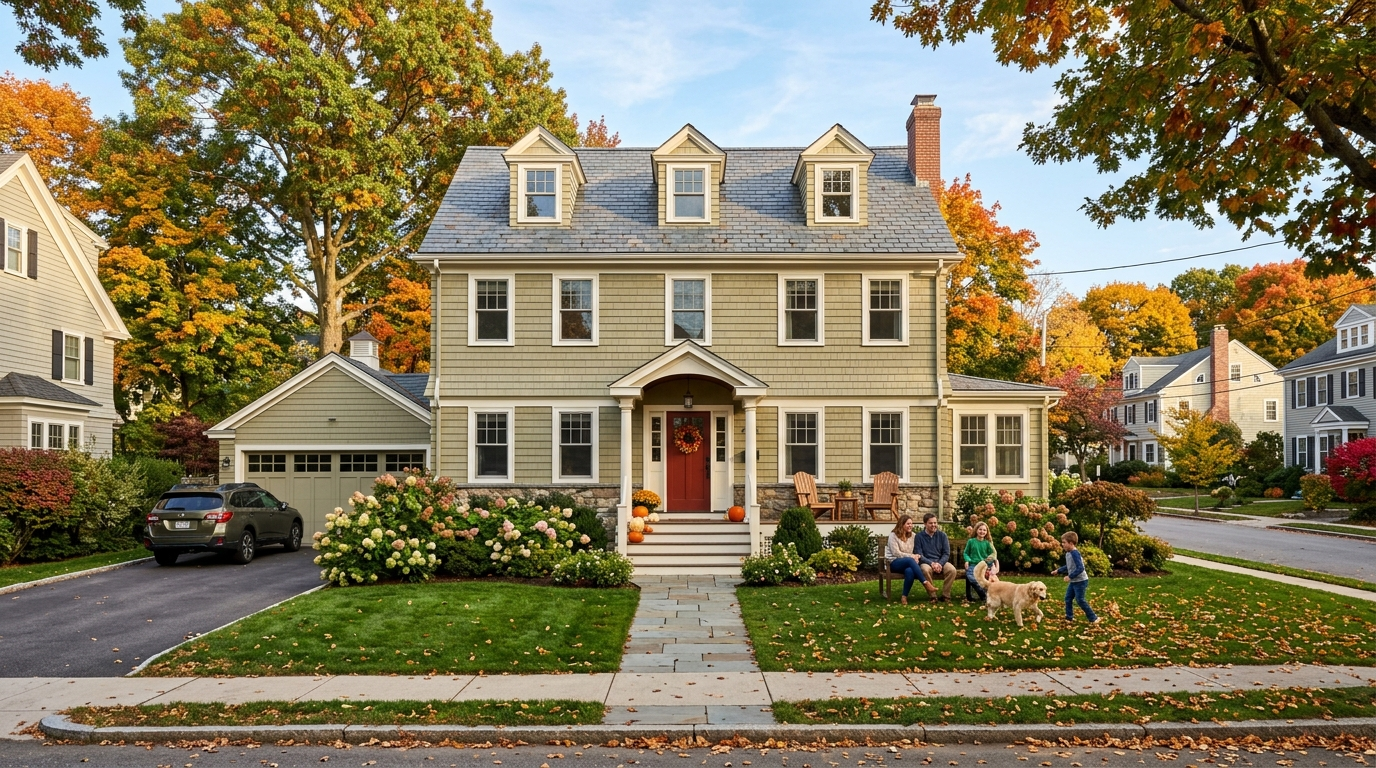
With Arlington single-family medians at $1,332,000, move-up families need a buy-first plan before they sell.
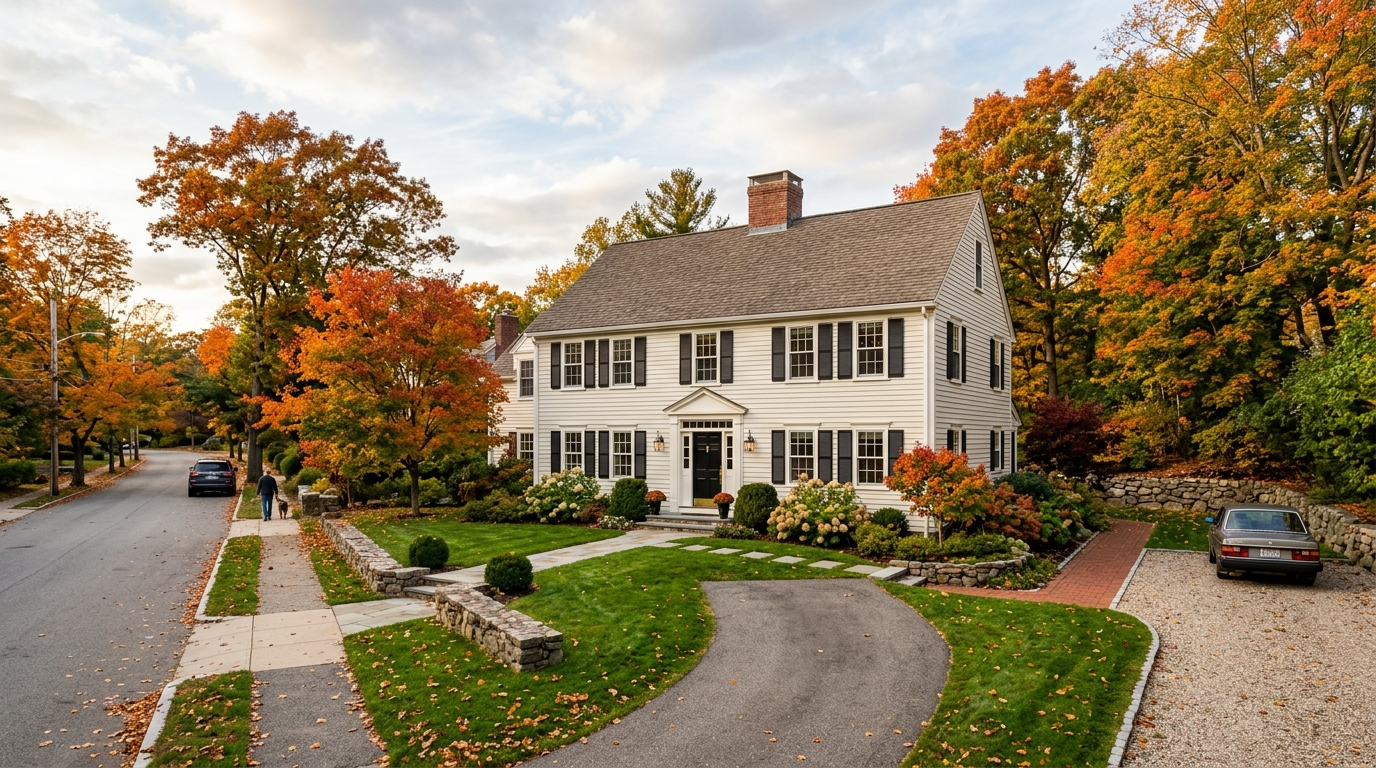
Learn what Concord sellers should watch as condos show 27 median days on market while single-family homes show 64.
Concord single-family homes posted a $1,800,000 July 2026 median, while condos were $882,000—why move-up families should budget higher.
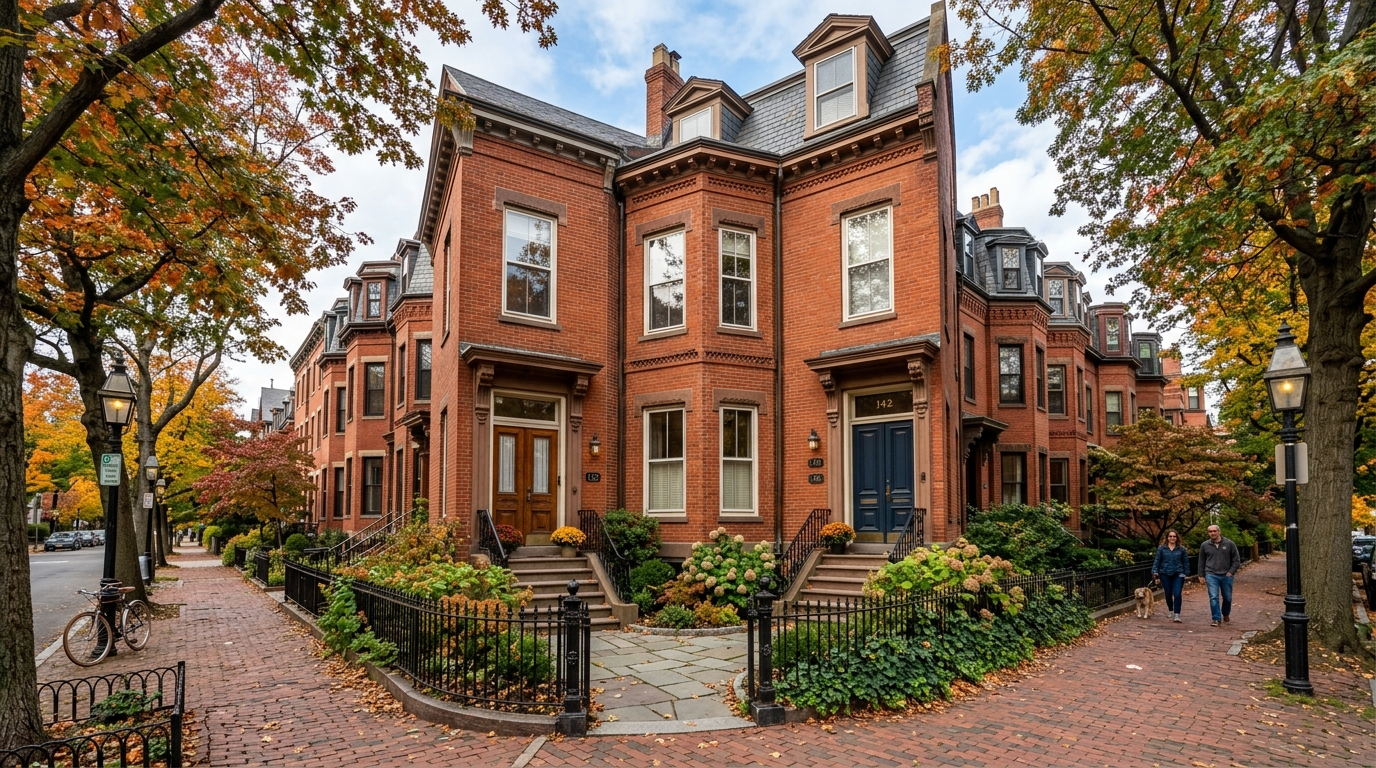
Most people think the "excise tax" is the scary number on a Cambridge net sheet. Scroll-stop: it is barely one line. On a $1,250,000 sale it is roughly $5,700 —
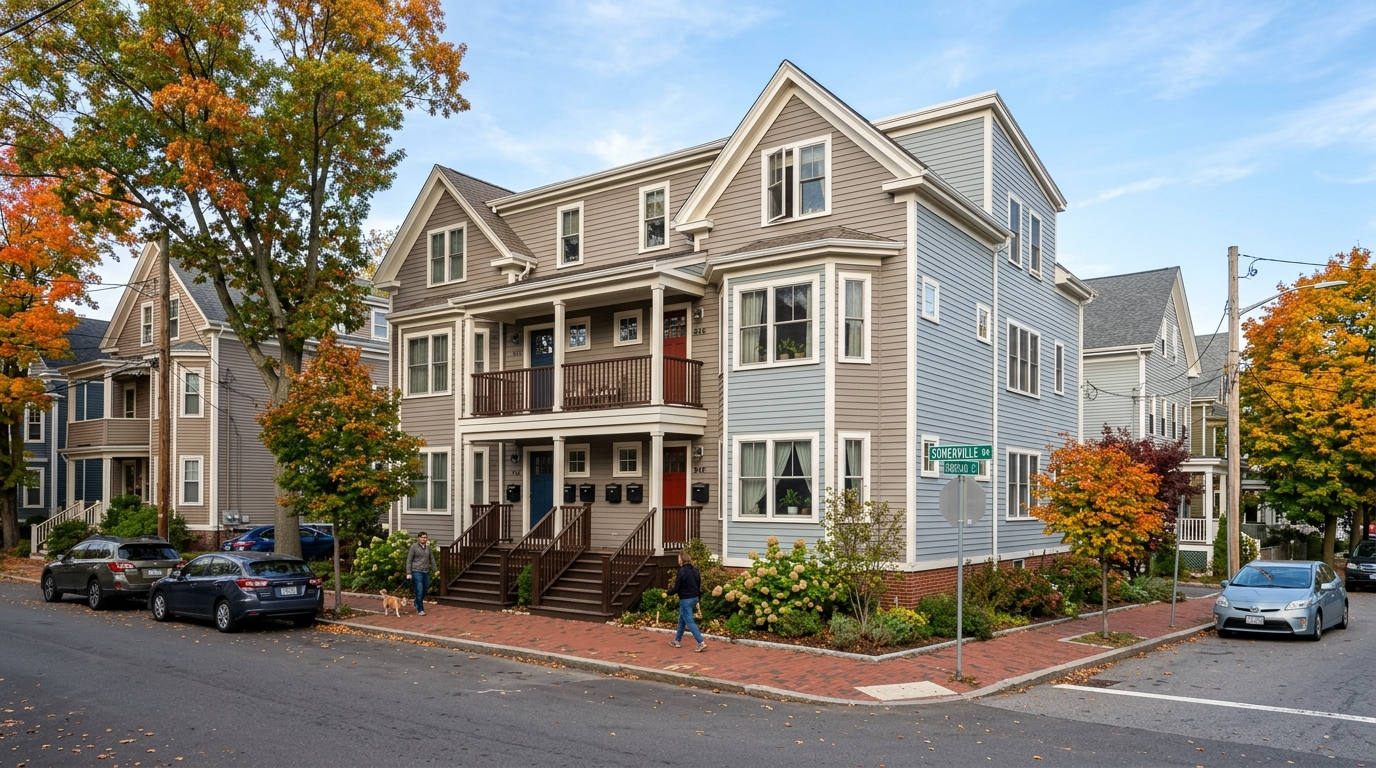
Somerville sellers: $1,349,000 single-family and $775,000 condo medians show why property type—not citywide median—should guide pricing.
Buying more land in Sudbury? Learn why septic capacity, wetland buffers, and permit review can matter more than a renovated kitchen.
See how commissions, taxes, and credits affect what Arlington sellers actually net—and why a written net sheet matters before listing.
Somerville’s fall market rewards current comps, not spring expectations. See how property type, inventory, and pricing strategy shape sellers’ next move.
Newton condos had 5.3 months of supply in July 2026. See why the seller choice is priced once vs. priced twice.
Most people think Newton's cooling median price means sellers lost their edge. Pump the brakes — that's a blended, all-property number. Single-family closings a
See how Lincoln Ridge’s large condo floor plans compare with Lincoln’s $1,672,500 single-family median and tighter condo supply.