Cambridge, MA Essential Guide for Young Professionals: Urban Energy, Historic Charm, and Condo Living
Explore Cambridge’s fast-paced biotech vibe, Red Line access, $955K condo median, 22 DOM, and 8.2 months of supply for 2026 buyers.
Written ByAmanda Allen Nurse
PublishedAugust 17, 2026
I'm Amanda Allen Nurse, a Concord, MA real estate agent with Gibson Sotheby's, guiding move-up families and home sellers across MetroWest from first search to closing. Serving Concord, Carlisle, Lexington, Newton, Wellesley, Weston, Somerville, Belmont, Cambridge, Bedford, Lincoln, Arlington and Sudbury, MA.
Cambridge, MA
Region
In July 2026, the median sale price for homes in Cambridge, MA was $1,045,000, up 1.5% from a year earlier.
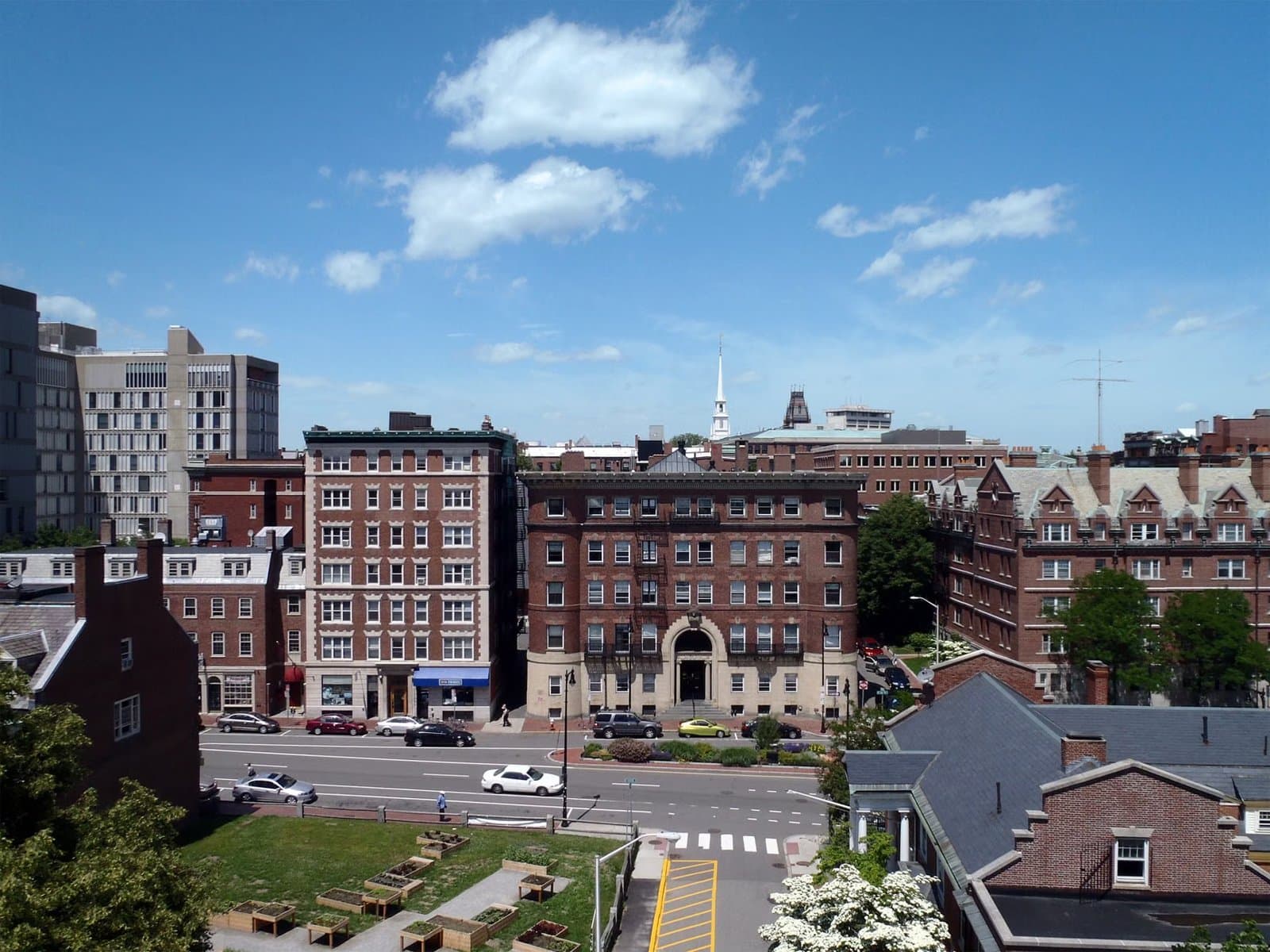
Cambridge is one of those rare places where a 300-year-old brick row house sits just a five-minute walk from a glass-and-steel biotech lab. For young professionals building careers in tech, life sciences, or academia, it delivers a lifestyle few American cities can match: dense, walkable, intellectually charged, and remarkably well-connected. Consider this your guide to understanding how the neighborhood actually lives—and what it takes to put down roots here.
What Is the Vibe Like in Cambridge, MA?
Cambridge is fast-paced, intellectual, and unapologetically urban—yet it holds onto a leafy, historic collegiate charm that keeps it from ever feeling sterile. If you thrive on energy, ambition, and a constant stream of ideas, you'll feel right at home.
The pulse here is driven by world-class institutions. Harvard and MIT anchor a full-time student population of roughly 42,000, and their gravity pulls in more than 1,000 biotech and tech companies. This is a global epicenter for biotech, artificial intelligence, and venture capital—and you feel it on the sidewalks. Kendall Square is often called "the most innovative square mile on the planet," and the foot traffic backs that up.
Kendall Square Foot Traffic Intensity
Kendall Square’s pedestrian study combines comparable foot-traffic counts with methodology notes, so it is configured as a mixed-metric snapshot rather than a bar chart. The evening rush-hour average is notably higher than midday, while Main Street’s evening-period count is called out separately as a peak-volume figure.
Notice how evening pedestrian volumes roughly double the midday average. That's the rhythm of a job-centered, live-here-work-here neighborhood. Roughly 40% of local workers and students walk to lunch, which tells you everything about the density and daily energy.
The social scene keeps pace with the workday. Craft breweries, independent bookstores, live music, and a genuinely global dining lineup fill evenings and weekends. On a slower morning, locals fuel up at neighborhood staples like 1369 Coffee House before heading into the lab or office.
Coming from the quieter, village-scale communities I typically work with out in Concord and MetroWest, the contrast is striking. Those towns offer space, silence, and single-family calm. Cambridge trades all of that for immediacy—everything you need is within a few blocks, and something is always happening.
What Are Condos and Townhomes Like in Cambridge, MA?
Cambridge is a condo-and-townhome market first and foremost. Roughly 27.6% of dwelling units are condos, and about two-thirds of the housing stock is renter-occupied—so ownership here is both competitive and compact. This isn't a place of sprawling lots. It's a place of triple-decker conversions, historic brick townhomes, and sleek new developments.
Let's talk numbers. Here's where the market stands as of June 2026:
Cambridge June 2026 Market Snapshot by Property Type
Headline June 2026 Cambridge market figures by property type. A snapshot is used because price, days on market, supply, listings, and sales are different units that should not share one chart axis.
For the property type most young professionals are targeting, the condo/townhouse median sale price sits at $955,000, with a median 22 days on market and 8.2 months of supply as of June 2026. That inventory figure matters: condo buyers have more breathing room and negotiating leverage than the frenzied single-family segment, where homes move in a median of just 14 days at a $2,460,000 median. Multi-family properties—largely the classic triple-deckers—command a $2,180,000 median and stay tight at 3.0 months of supply.
Architecturally, you'll find an incredible range:
•Historic townhomes in Federal and Victorian styles, many with original detail
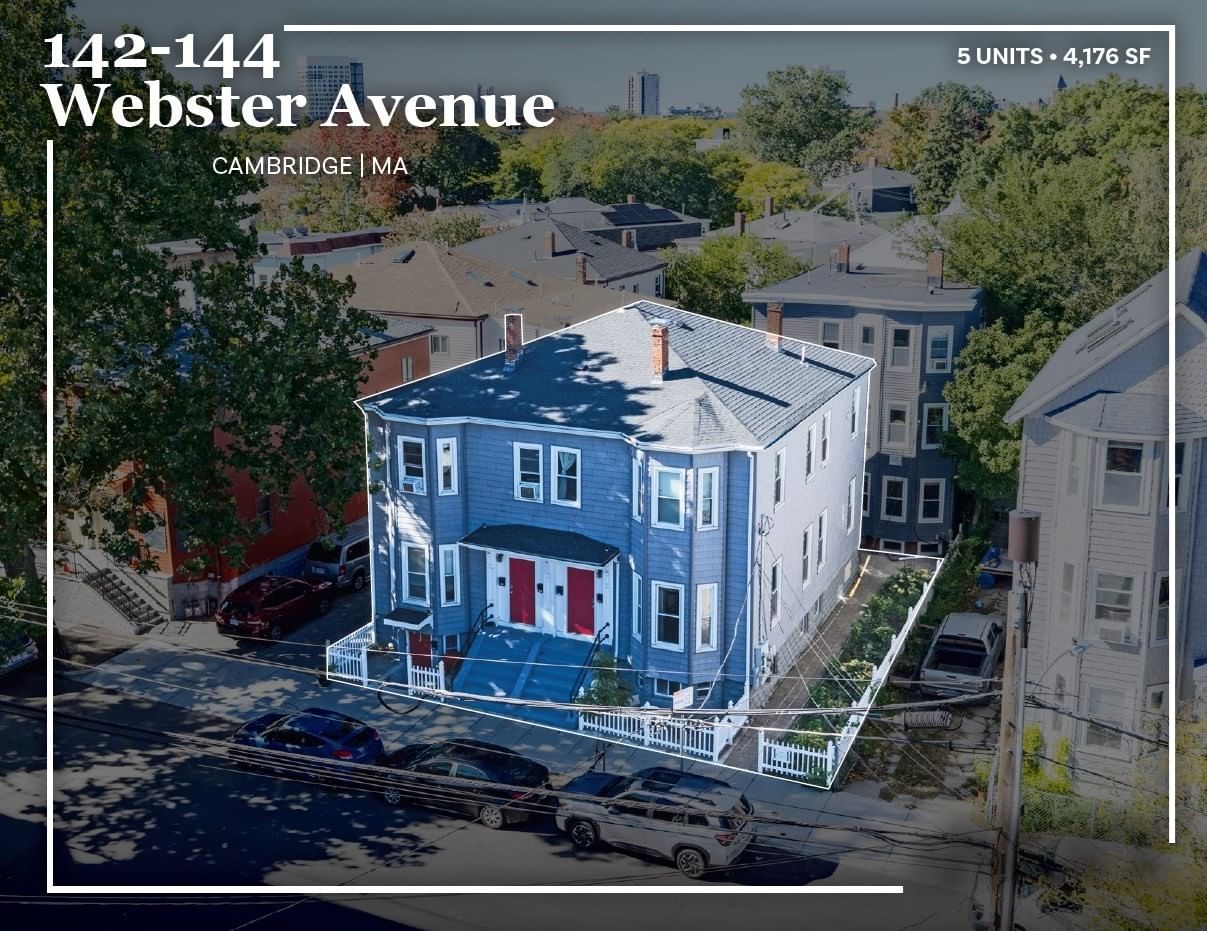
•Triple-decker conversions, the workhorse of Cambridge multi-family living, now often split into stylish condos
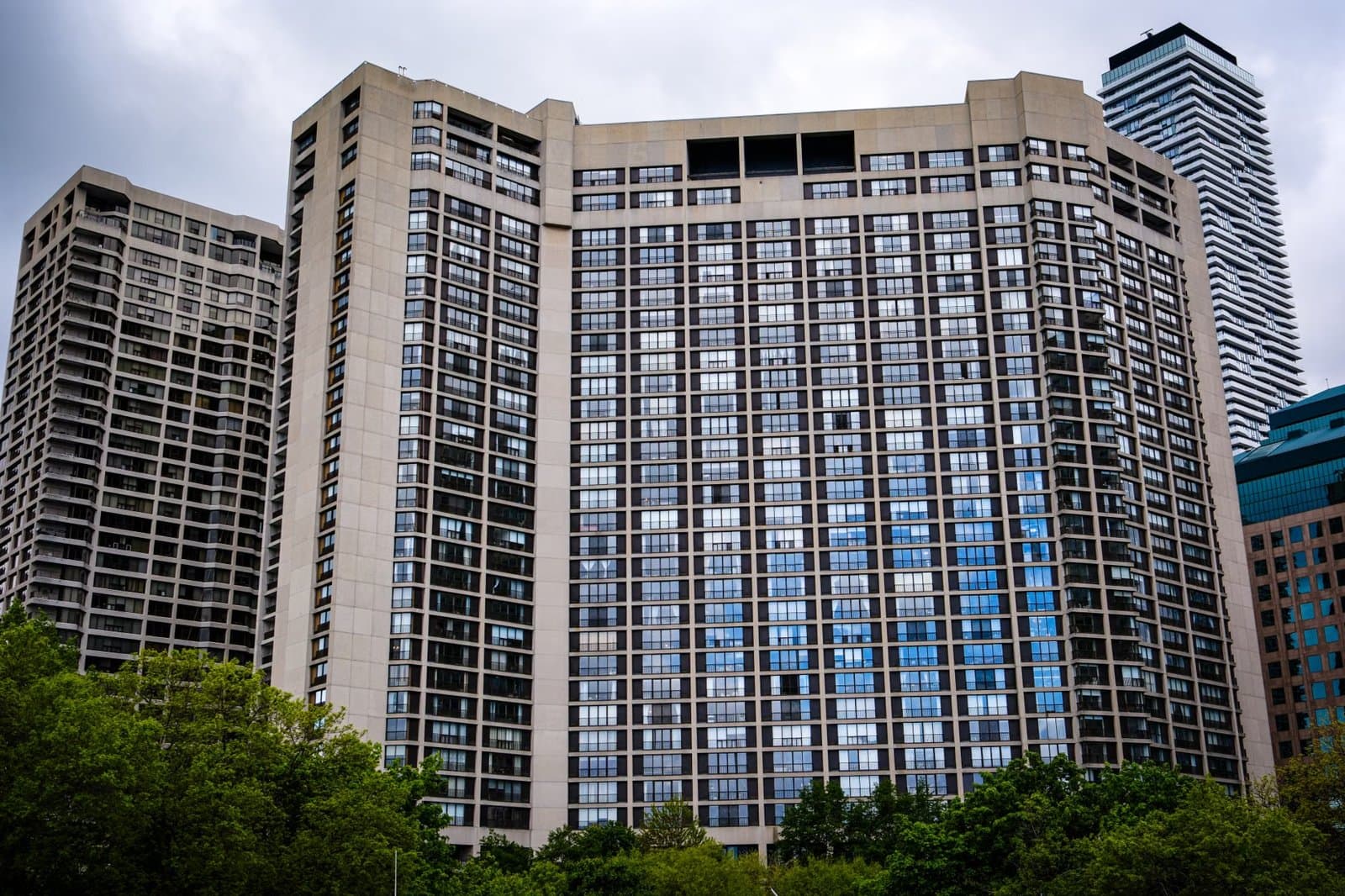
•Contemporary glass-and-steel developments, especially clustered near Kendall Square and Cambridge Crossing
Lots are compact by design. Instead of big backyards, the value here lives in low-maintenance ownership, shared courtyards, and private rooftop decks. That trade-off suits the young-professional buyer perfectly.
One thing I always coach buyers on: the sticker price isn't the whole story. Monthly carrying costs matter enormously in a condo market.
Monthly HOA Fee Reality Check
A same-unit monthly-fee comparison to help condo-focused buyers understand how Cambridge association dues can range from lean, smaller buildings to amenity-rich communities, with Boston and national benchmarks for context.
Median Fees
Metro Mean Monthly Fees
Cambridge Monthly Cost Check
A same-unit monthly-fee comparison to help condo-focused buyers understand how Cambridge association dues can range from lean, smaller buildings to amenity-rich communities, with Boston and national benchmarks for context.
HOA dues can range from around $250/month in simple, self-managed associations to $700+/month in amenity-rich buildings with concierge service, gyms, and shared roof decks. The good news? Cambridge's FY2026 residential tax rate of $6.67 per $1,000 is genuinely low, translating to an estimated $5,803/year at the median price. When you're comparing two units, always weigh the HOA fee against what it actually covers—it can swing your monthly budget by hundreds of dollars.
It's also worth knowing that Cambridge adopted citywide multifamily zoning in early 2025, creating a unified Residence C-1 base district and allowing buildings up to 6 stories on qualifying lots with an inclusionary housing requirement. Over time, that reform is designed to add more homes across the city—welcome news in a market this supply-constrained.
Where Do People Gather in Cambridge, MA?
Cambridge is organized around a handful of iconic "squares," each with its own personality—and they function as the neighborhood's living rooms. Where you choose to live often comes down to which square you want as your backyard.
Kendall Square is the professional and social epicenter. It's where the biotech and tech workforce spends its days, and where after-work drinks, networking events, and quick lunches happen. If your job is here, living within walking distance is a genuine quality-of-life upgrade.
Harvard Square blends collegiate history with an eclectic mix of bookstores, cafés, live music, and acclaimed restaurants. It's the Cambridge people picture—red brick, buskers, and centuries of intellectual life.
Central Square is the grittier, more creative middle ground between Harvard and MIT. It's packed with independent restaurants, music venues, and everyday essentials, and it tends to offer slightly more accessible condo pricing. Locals grab a nourishing bowl at Life Alive Organic Cafe or catch a show, and the neighborhood energy is unmatched.
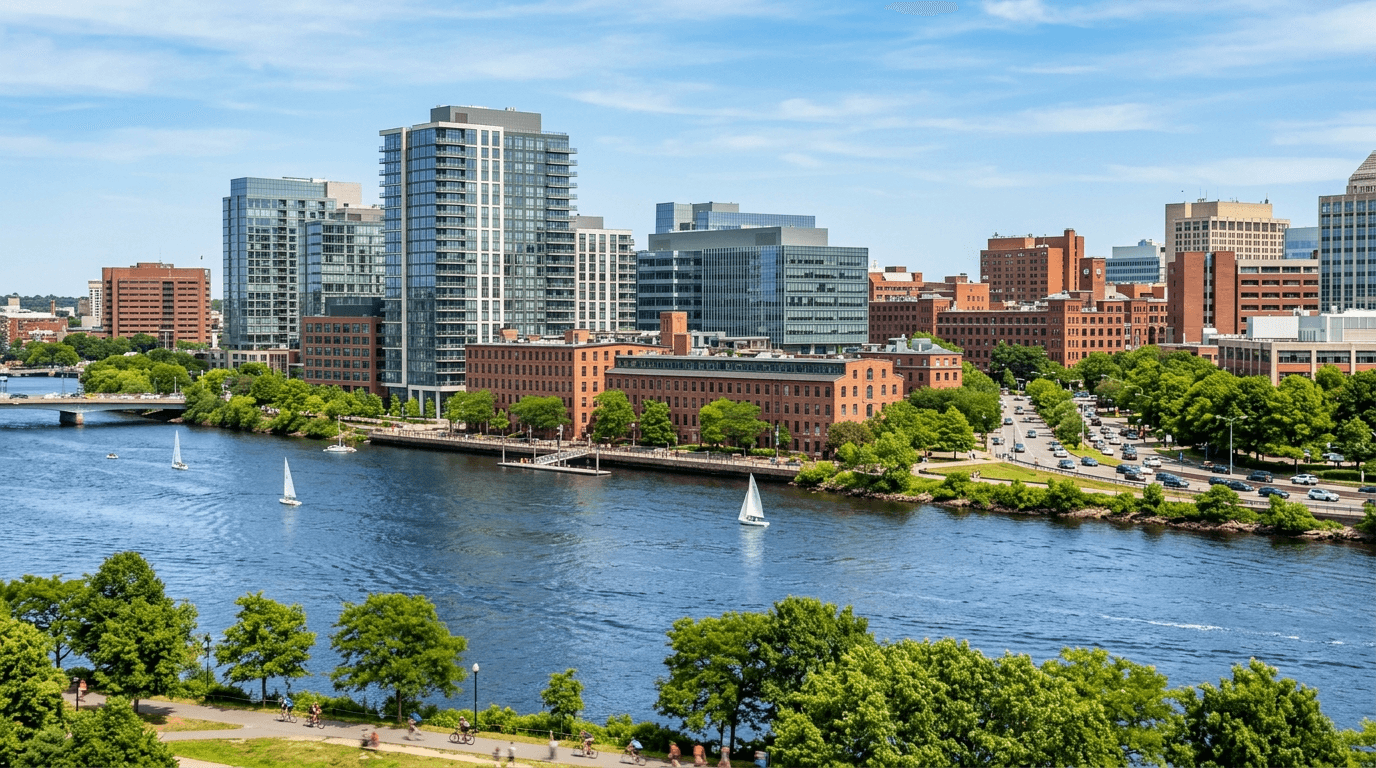
For the outdoors, the Charles River is Cambridge's great shared amenity. The paved paths along Memorial Drive are prime territory for running, cycling, and unwinding after a long day—a rare stretch of open horizon in an otherwise dense city. With 80 parks and open spaces citywide, green relief is never far.
When clients weigh Cambridge against my home turf in Concord and MetroWest, this is the deciding factor for a lot of young buyers. Out west, weekend life orbits around Walden Pond and conservation trails. In Cambridge, it orbits around these walkable squares and the river. Neither is better—they're just different chapters of life.
How Is the Commute from Cambridge, MA to Boston?
Cambridge is one of the most transit-friendly and walkable places in New England. The MBTA Red Line connects the entire city to downtown Boston in minutes, and you genuinely don't need a car to live well here. For young professionals, that's a major financial and lifestyle advantage.
The Red Line is the spine of daily life, with key stops at:
•Kendall/MIT — the biotech and tech core
•Central — the creative, restaurant-rich middle
•Harvard — historic and collegiate
•Porter — a residential hub with commuter rail access too
From these stations, you get rapid access to Boston's financial district and beyond. The drive into Boston runs around 15 minutes in good conditions—though I'll be honest with buyers: driving in Cambridge can be genuinely stressful, and traffic is real. The city knows it, which is why it leans so hard into a pedestrian- and bike-first design philosophy.
Cambridge Streets and Sidewalks Initiative
Cambridge’s walking infrastructure is a major quality-of-life factor for urban, commute-conscious residents, with active upgrades focused on safer crossings and better accessibility.
Cambridge's pedestrian-centric policy framework—a 5-year streets and sidewalks plan, active crosswalk and ramp upgrades, and a 23-member pedestrian committee—backs up its car-light reputation. Speed limits are capped at 20–25 mph in most areas, and the city continues to expand its dedicated bike lanes and Bluebikes bike-share network. Central Station alone puts a huge swath of the city within an easy walk of rapid transit.
For the times you do need to drive, highway access is straightforward via Memorial Drive, Route 2, and nearby Interstate 90 (the Mass Pike). Just know that on-site parking is a premium feature in condo buildings—if you own a car, factor a deeded space (or nearby garage rates of roughly $15–$30/day) into your search from the start.
The Bottom Line
Cambridge rewards buyers who value energy, walkability, and career proximity over square footage and quiet. The condo market, while pricey, offers real inventory and negotiating room right now—8.2 months of supply as of June 2026 is a buyer-friendly signal in a city that's usually white-hot. If you're weighing an urban Cambridge lifestyle against a quieter move-up option in the western suburbs, I'm always happy to help you map out the trade-offs and plan your next chapter with confidence.
Is Cambridge, MA a good place for families to live?
Cambridge, MA can work well for families that want a dense, walkable, urban lifestyle rather than large lots and quiet suburban space. The city has 80 parks and open spaces, plus Charles River paths for running, cycling, and outdoor downtime.
Housing is generally compact, with condos, townhomes, triple-decker conversions, and historic brick homes more common than sprawling single-family properties.
What types of condos and townhomes are available in Cambridge, MA?
Cambridge, MA is primarily a condo-and-townhome market, with roughly 27.6% of dwelling units classified as condos and about two-thirds of the housing stock renter-occupied. Common options include historic Federal and Victorian townhomes, triple-decker condo conversions, and newer glass-and-steel developments near areas like Kendall Square and Cambridge Crossing.
How much do condos cost in Cambridge, MA?
As of June 2026, the median sale price for condos and townhouses in Cambridge, MA is $955,000. Condos and townhomes had a median of 22 days on market and 8.2 months of supply, giving buyers more breathing room than the single-family market.
Single-family homes are significantly more expensive, with a median sale price of $2,460,000 and a median of 14 days on market.
How much are HOA fees for condos in Cambridge, MA?
HOA fees in Cambridge, MA can vary widely by building type and amenities. Simple, self-managed condo associations may be around $250 per month, while amenity-rich buildings with concierge service, gyms, or shared roof decks can exceed $700 per month.
Buyers should compare HOA fees with what they cover because the difference can change monthly housing costs by hundreds of dollars.
What should families know about schools in Cambridge, MA?
Cambridge, MA is anchored by Harvard and MIT, which help define the city’s academic and intellectual character. These institutions support a full-time student population of roughly 42,000 and contribute to the city’s strong connection to research, technology, life sciences, and higher education.
Specific K-12 school performance details are not provided here, so families should review current school assignment and district information directly when comparing neighborhoods.
How is the commute from Cambridge, MA to Boston?
Cambridge, MA is one of the most transit-friendly and walkable places in New England. The MBTA Red Line runs through key stations including Kendall/MIT, Central, Harvard, and Porter, connecting the city quickly to downtown Boston.
A drive into Boston can take around 15 minutes in good conditions, but traffic and driving stress are real factors. Many residents rely on walking, biking, the Red Line, and Bluebikes instead of daily car use.
Do you need a car to live in Cambridge, MA?
A car is not necessary for many residents in Cambridge, MA because the city is built around walking, biking, and Red Line access. Speed limits are capped at 20–25 mph in most areas, and the city continues to expand bike lanes and pedestrian upgrades.
For residents who do own cars, on-site parking is a premium feature in condo buildings. Nearby garage parking can cost roughly $15–$30 per day.
Is Cambridge, MA affordable for young professionals buying a home?
Cambridge, MA is expensive, especially compared with more spacious suburban markets, but the condo segment has more buyer flexibility than the single-family market. As of June 2026, condos and townhomes had 8.2 months of supply, while single-family homes had a $2,460,000 median sale price and moved in a median of 14 days.
The city’s FY2026 residential tax rate is $6.67 per $1,000, which translates to an estimated $5,803 per year at the median condo/townhouse price.